

21–30 March, 2026
Paphos, Cyprus
JASS 2026
An immersive simulator of real-world software development
10-day engineering bootcamp for students
Theme: “Intelligence-Driven Smart Eco City”
JASS (Joint Advanced Student School) is an international, project-driven school founded in 2012, focused on emerging technologies and real-world engineering practice.
Each year, JASS brings together high-potential students and leading academic experts from different countries to work in intensive, short-term engineering teams. Over the course of 9 fully immersive days, participants design, build, iterate, and deliver a finished project.
Topics typically covered include:
Mobile devices
Internet of Things (IoT)
Industrial applications
Autonomous mobile robotics & transportation
Virtual reality
500+
Participants
40+
Completed projects
30+
Invited Professors
14
Years of history
Why JASS is unique


Immersive, project-driven format
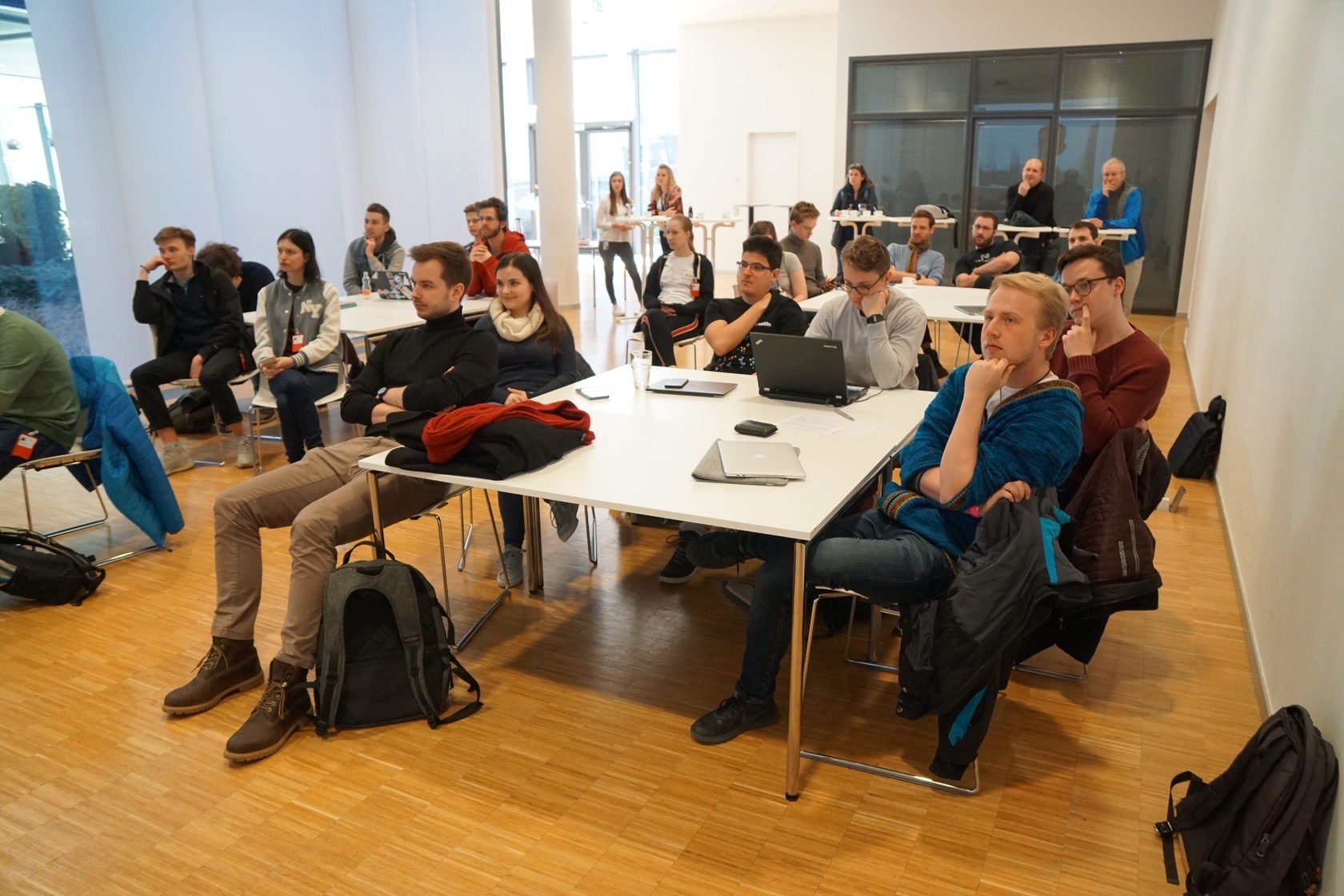
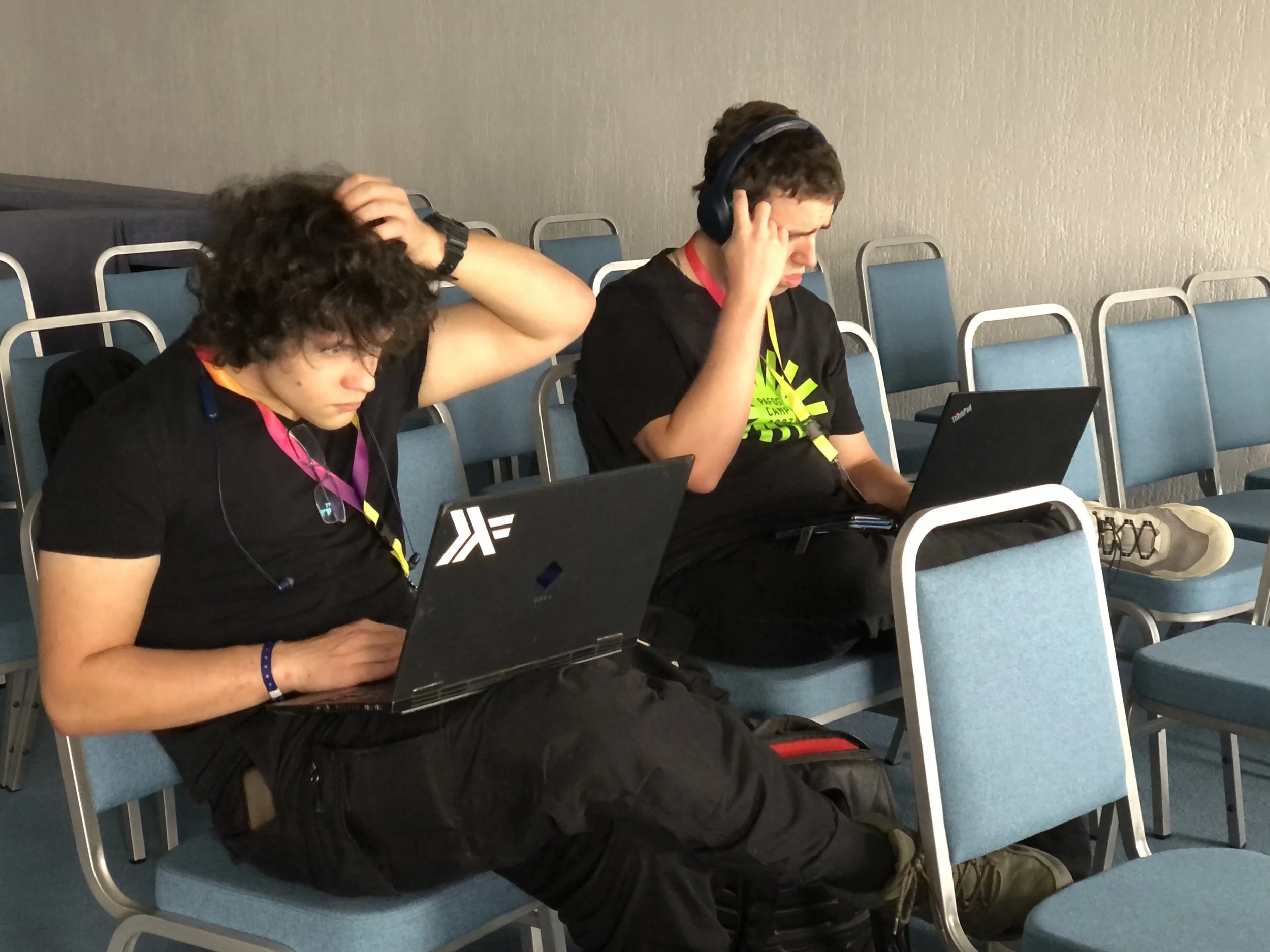
9 days of intense, full immersion (within a 10-day program)
90% project work / 10% theory
Students act as engineers, not passive learners
A simulated full-cycle software development environment, covering the entire process from problem definition and system design to implementation, testing, integration, and delivery
Daily iterations, reviews, simulations, and system integration, mirroring real-world engineering workflows
World-class invited lecturers
Participants work directly with experts from top global institutions and industry:
Stanford University — Artificial Intelligence, Time-Series Language Models
Imperial College London — Agile Methods, Continuous Integration & Delivery
Technical University of Munich (TUM) — Advanced software engineering & system design
JetBrains — Industry-grade development practices & tooling
Living & learning as one ecosystem
All participants and organizers:
live together in one hotel
work, discuss, and build continuously
form strong international teams
A mid-program outdoor hike is a long-standing JASS tradition — a reset moment for reflection, trust, and team cohesion.
Meet Our School's Lecturers
-

Prof. Dr. Kirill Krinkin
Neapolis University Pafos, Cyprus
JetBrains, Cyprus -

Prof. Dr. Bernd Brügge
Technical University of Munich, Germany
-

Dr. Paul Schmiedmayer
Stanford University, USA
-

Dr. Robert Chatley
Imperial College London, UK
Topic 2026: Intelligence-Driven Smart Eco City
Building Urban Digital Twins with Distributed AI Agents

The project continues JASS's evolution toward AI-augmented cyber-physical systems, building on previous work with autonomous vehicles (2023), LLM-controlled smart cities (2024), and hardware abstraction for robotics (2025). This year, we take the next step: creating a distributed multi-agent system where each component reasons about temporal data streams and collaborates through shared context.
Core Concept: The Urban Digital Twin
Central Intelligence Hub
A unified coordination center responsible for aggregating data from all monitoring subsystems, generating city-wide state representations, forecasting trends using Time-Series Language Models (TSLM), detecting anomalies and cross-domain correlations, and orchestrating responses to critical events. The hub maintains a shared context that enables different monitoring agents to understand each other's observations and coordinate their actions.
Distributed Monitoring Agents
Semi-autonomous edge systems that operate independently while contributing to the collective intelligence. Each agent handles local data collection and preprocessing, edge inference for real-time decision making, context formation using Model Context Protocol (MCP), and bidirectional communication with the central hub.
Key technologies and equipment
Time-Series Language Models
Based on Stanford's OpenTSLM framework, we integrate time series as a native modality into Large Language Models. This enables natural-language reasoning over sensor data streams, automatic generation of human-readable descriptions of temporal patterns, trend forecasting with explainable rationales, and anomaly detection with contextual understanding. TSLM bridges the gap between continuous sensor signals and discrete reasoning, allowing agents to "understand" what sensor readings mean rather than just processing numbers.
Model Context Protocol
MCP provides the integration layer connecting all components. Each monitoring agent exposes its capabilities as MCP tools, while the central hub aggregates contexts from all agents. This architecture enables seamless tool interoperability across heterogeneous systems, dynamic context sharing between agents, standardized interfaces for LLM-agent communication, and an extensible plugin architecture for new sensors and capabilities.
LLM-Based Agents
Each subsystem operates as an intelligent agent capable of autonomous decision-making within its domain, natural language interaction with operators, collaborative reasoning with other agents, and learning from historical patterns. The distributed agent architecture ensures resilience -- individual agents continue operating even if central coordination is temporarily unavailable.
Hardware Platform
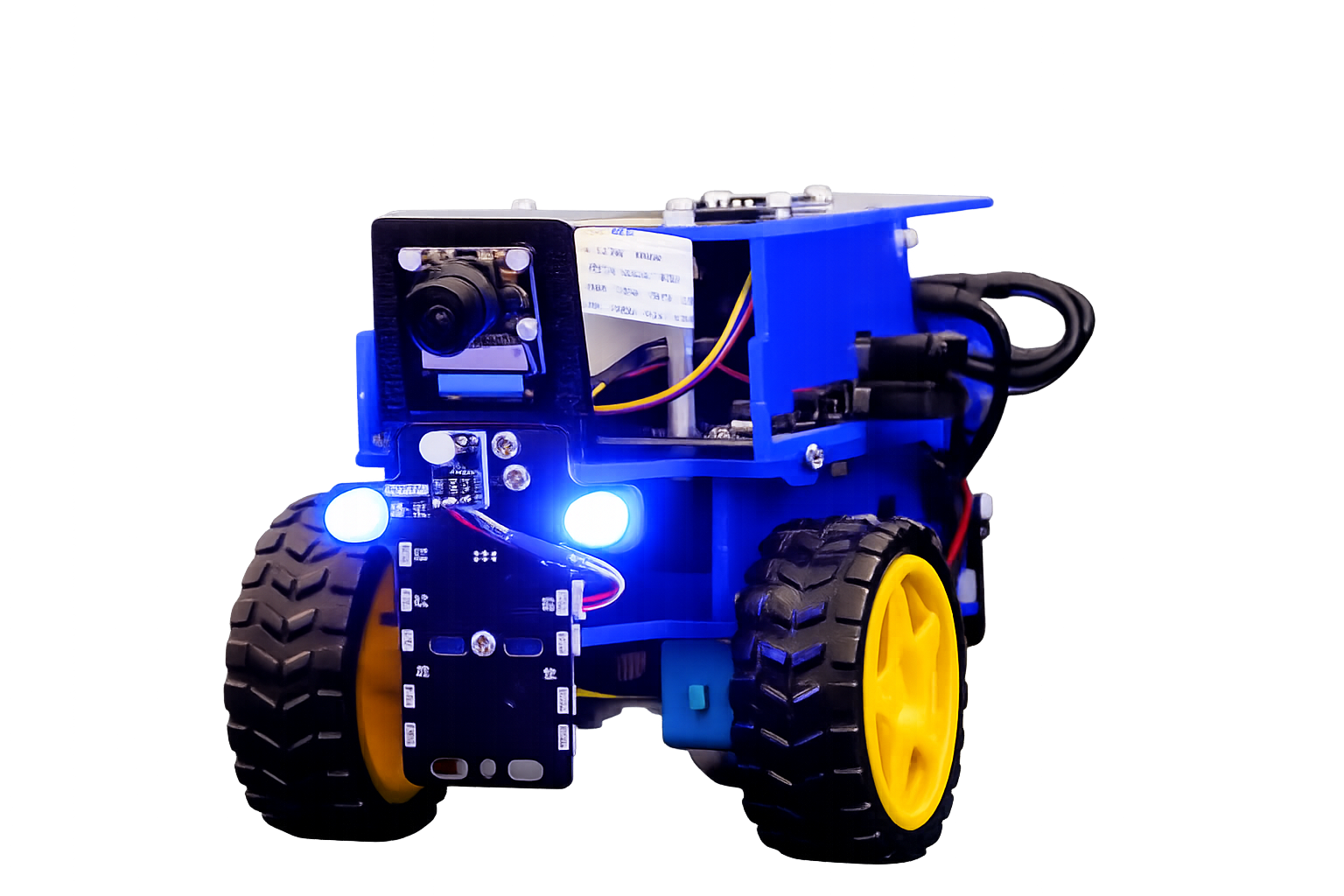
Duckietown Platform: Autonomous vehicles equipped with environmental sensors for mobile monitoring
Drone Fleet: Aerial platforms for visual inspection and wide-area monitoring
Sensor Networks: Air quality sensors (PM2.5, PM10, CO2, NO2), water quality probes, environmental monitors
Edge Computing: Jetson/Orange Pi units for local inference and agent hosting
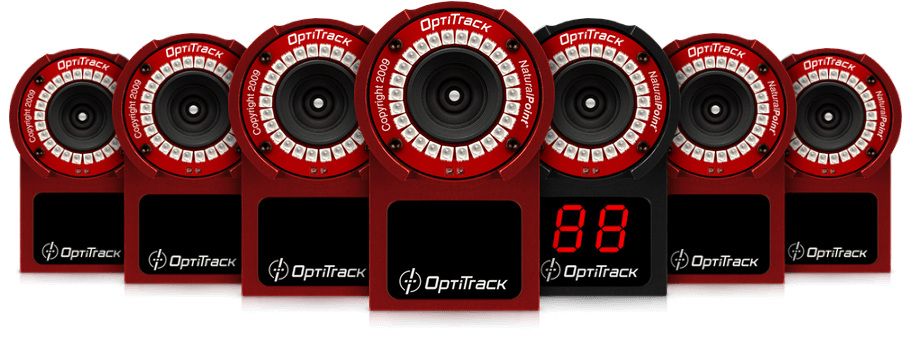
OptiTrack System: Precision positioning for an indoor testing environment

21-30 March, 2026
Who can apply?
Undergraduate, graduate, or postgraduate students
Strong background in software engineering or development
Interest in AI, IoT, robotics, and cyber-physical systems
Motivation to work intensively in international teams
Completely free for students
Participation in JASS is 100% free, removing financial barriers and ensuring
selection is based purely on talent, motivation, and potential.All selected participants are fully accommodated at Coral Beach Hotel & Resort, Paphos
Accommodation is provided by Neapolis University Pafos and Leptos Group
Selection process
Application submission: 20 February (Extended for Cyprus — 28 February)
Technical test task: 20 February — 2 March
Interview stage: 28 February – 10 March
Partners




Contacts
Program & application questions: Kirill Krinkin <[email protected]>
Partnership & collaboration inquiries: Yulia Tarasova <[email protected]>